
AI writing tools are now everywhere in 2026, especially for blogging, academic writing, and marketing content. But even though AI can produce large amounts of text quickly, the output often still feels a bit unnatural. It can sound repetitive, overly structured, or too predictable for modern ai checker systems.
That’s exactly why ai humanizer tools have become so widely used. We tested several popular options using the same prompts, long-form articles, and academic-style writing to see which ones actually make AI text feel more natural in real use.
Different ai humanizer tools tend to focus on slightly different goals. Some are more focused on lowering AI detection, while others care more about readability or workflow simplicity.
| Tool | Best For | Rewrite Control | Built-in AI Checker | Language Support | Free Version | Overall Verdict |
|---|---|---|---|---|---|---|
| Dechecker | Overall balance | Advanced | Yes | Extensive | Yes | Best overall choice |
| Undetectable AI | Detection reduction | High | Yes | Moderate | Limited | Strong AI score reduction |
| StealthWriter | Academic writing | High | No | Good | Yes | Best for essays |
| QuillBot | General rewriting | Moderate | No | Good | Yes | Reliable all-rounder |
| Humbot | Fast rewriting | Limited | Yes | Moderate | No | Good for speed |
| WriteHuman | Simple workflows | Basic | No | Limited | Limited | Beginner friendly |
| BypassGPT | Short content | Moderate | Yes | Good | Limited | Better for short text |
| AIHumanize | New users | Basic | No | Good | Yes | Easy starting point |
What we noticed during testing is that “lower AI score” doesn’t always mean “better writing.”
Some tools were very aggressive in rewriting and did reduce detectable patterns, but the output sometimes felt slightly unnatural. Others kept the text readable but didn’t change enough to avoid AI-like structure.
The better tools usually sit somewhere in between.
We didn’t rely on marketing claims. Each tool was tested under the same conditions using identical inputs.
We used several types of content:
Everything was kept consistent across tools to make comparison fair.
Each rewritten output was reviewed using:
We also paid attention to whether the text still sounded like something a real person would actually write, not just whether it passed detection.
The ranking was based on a mix of:
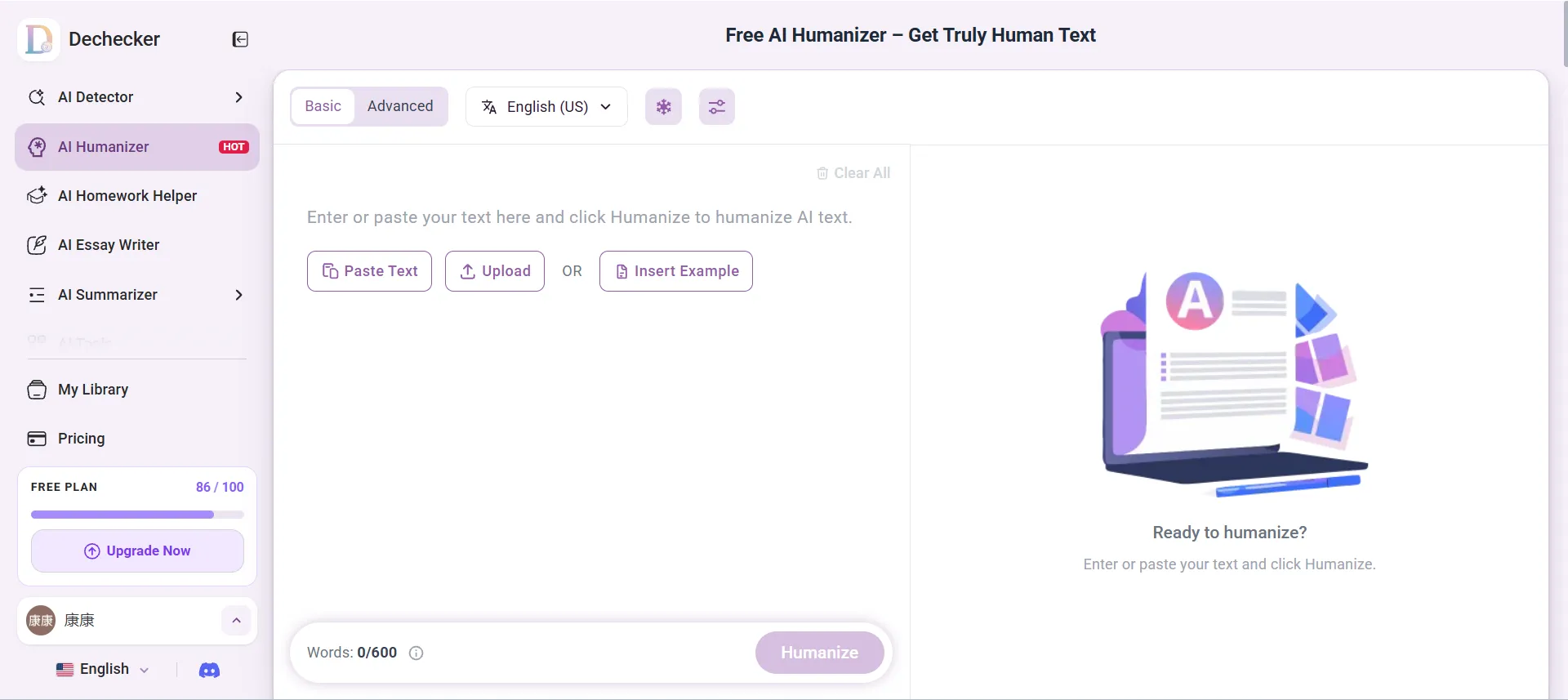
Dechecker ended up performing slightly better than most tools in our tests, although the difference wasn’t always huge depending on the content type.
It stood out more because of how the workflow is designed rather than just rewriting quality.
Before you rewrite, you can tweak how the text gets handled with different options. Want light edits or to really dig in and re-do AI stuff? You pick the style and how far it goes.
There's also a way to lock down certain words. This is handy for SEO stuff or anything that'll get checked later by AI. It keeps brand names, tech terms, or key phrases from getting messed with.
Oh, and a neat little extra: a clean-up step. It zaps extra spaces, quotes, or weird formatting that could mess with the AI humanizer and how the final text tests out.
After it's done, Dechecker can spit out a few versions, not just one. This is pretty useful for getting past AI detection. Different rewrites might do better than others when tested, especially for longer pieces or SEO content. You can test them out and see.
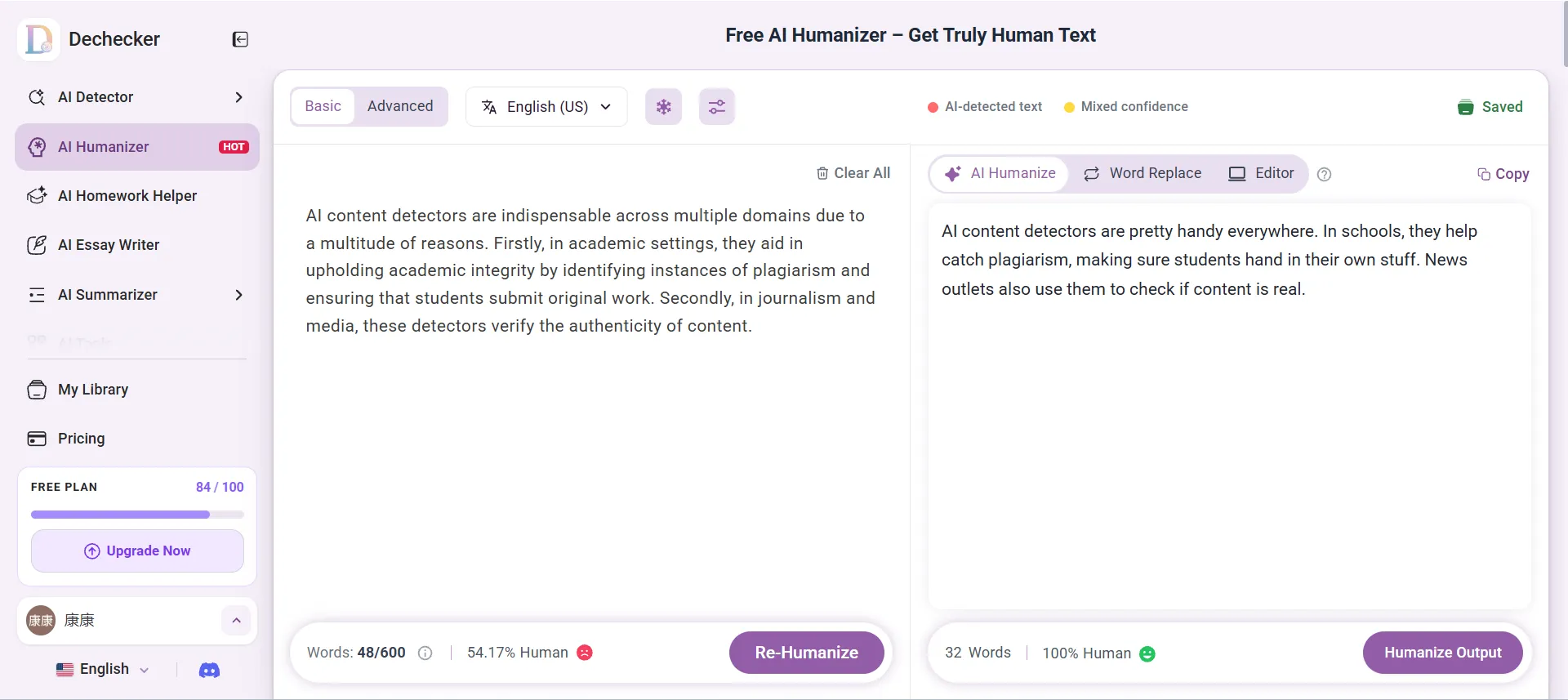
In most cases, Dechecker produced text that felt more natural and less repetitive compared to other tools.
It didn’t completely remove all AI-like patterns every time, but the amount of manual editing needed afterward was usually lower.
Another advantage is that AI detection happens automatically after rewriting, so users don’t need to switch between multiple tools just to check results.
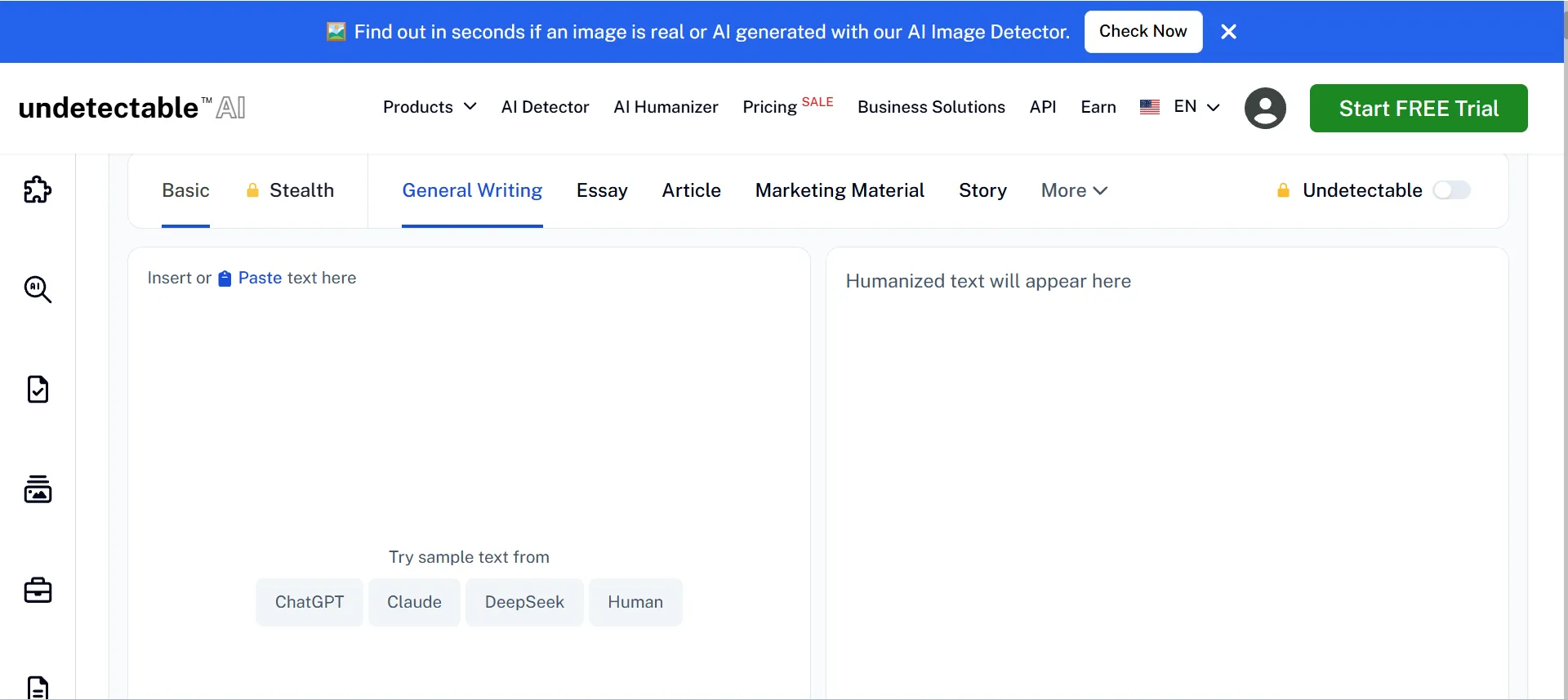
Undetectable AI is clearly designed for users who care most about lowering AI detection results. It tends to be more aggressive in rewriting compared to general tools.
The system rewrites content by changing sentence structures and replacing patterns that are commonly detected as AI-generated. It also offers different intensity levels depending on how heavily you want the text modified.
During testing, it was quite effective at reducing AI detection scores. However, in stronger modes, the output sometimes felt a bit unnatural or overly modified, especially in longer articles.
So it works, but not always smoothly.
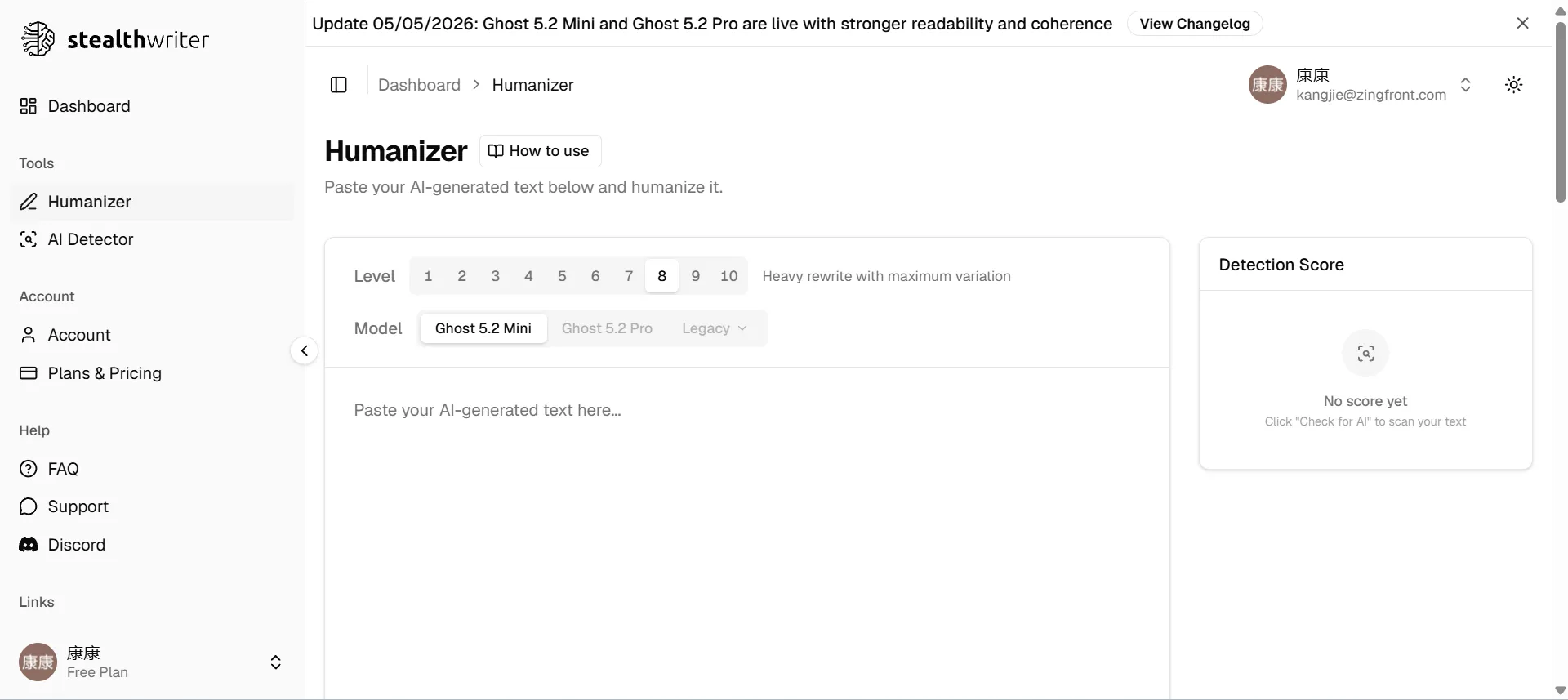
StealthWriter performed more consistently on longer content like essays or structured articles. It doesn’t always produce the most polished writing, but it keeps structure relatively stable.
It offers multiple rewriting modes that control how deeply the content is changed. Lighter modes preserve original structure more, while stronger modes rewrite more aggressively.
For long documents, it was fairly stable. The output sometimes needed light editing, but overall structure remained readable, which is important for academic use.
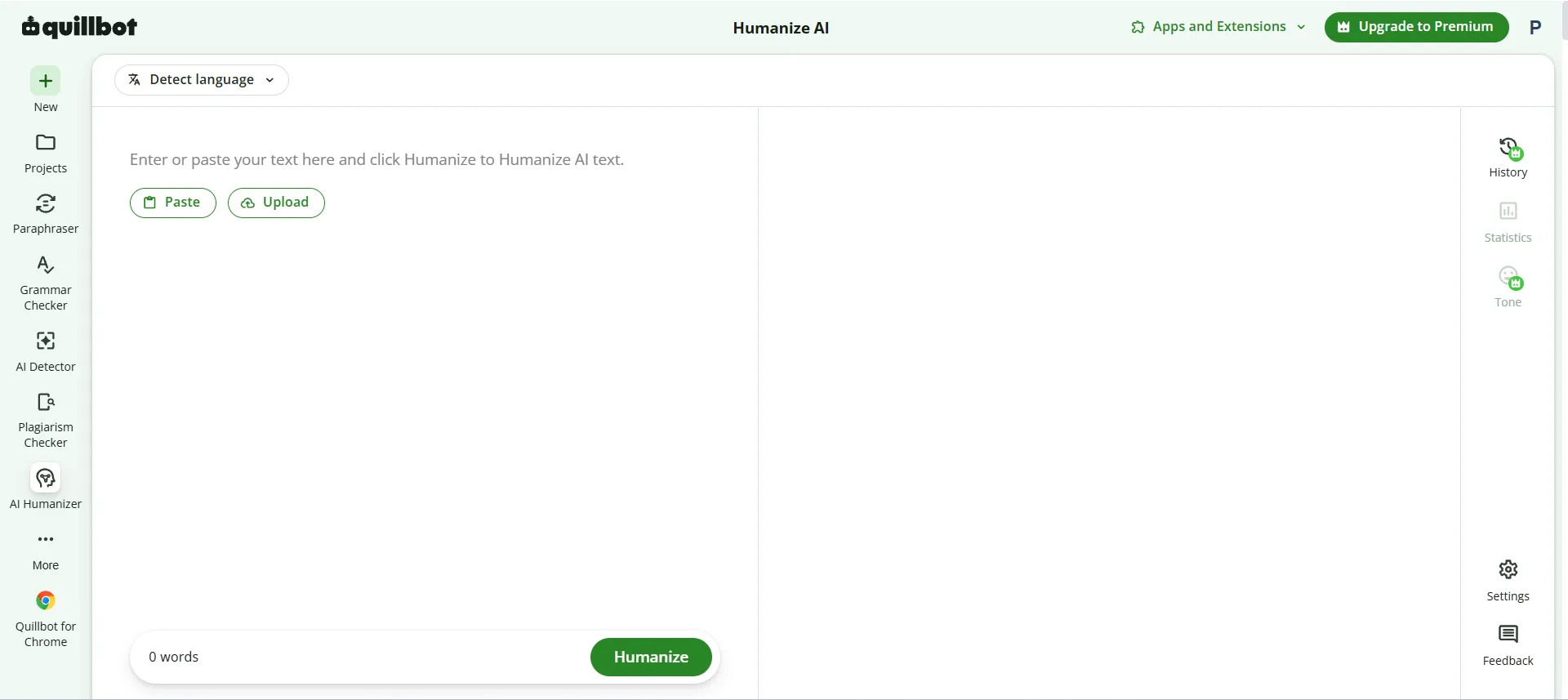
QuillBot is probably the most familiar name in this space. It’s not strictly an AI humanizer, but more of a general paraphrasing tool.
AI Humanizer rewrites text using different paraphrasing modes that adjust sentence structure while keeping meaning stable.
It performs reliably for basic rewriting tasks, but in more AI-heavy content, some detectable patterns may still remain.
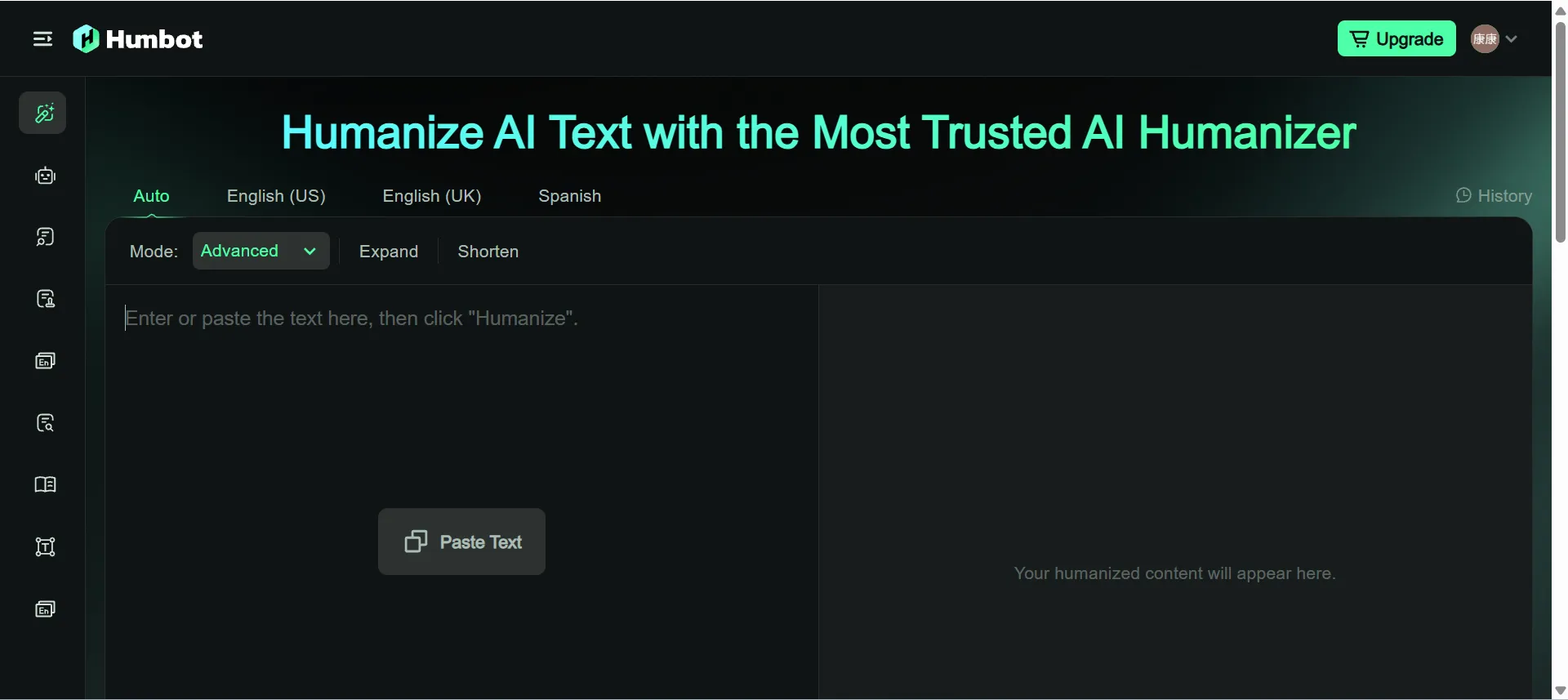
Humbot focuses mainly on speed and simplicity rather than deep rewriting control.
Users paste text and receive rewritten output quickly with minimal settings required.
It works well for short content, but performance becomes less consistent when dealing with long or complex text.
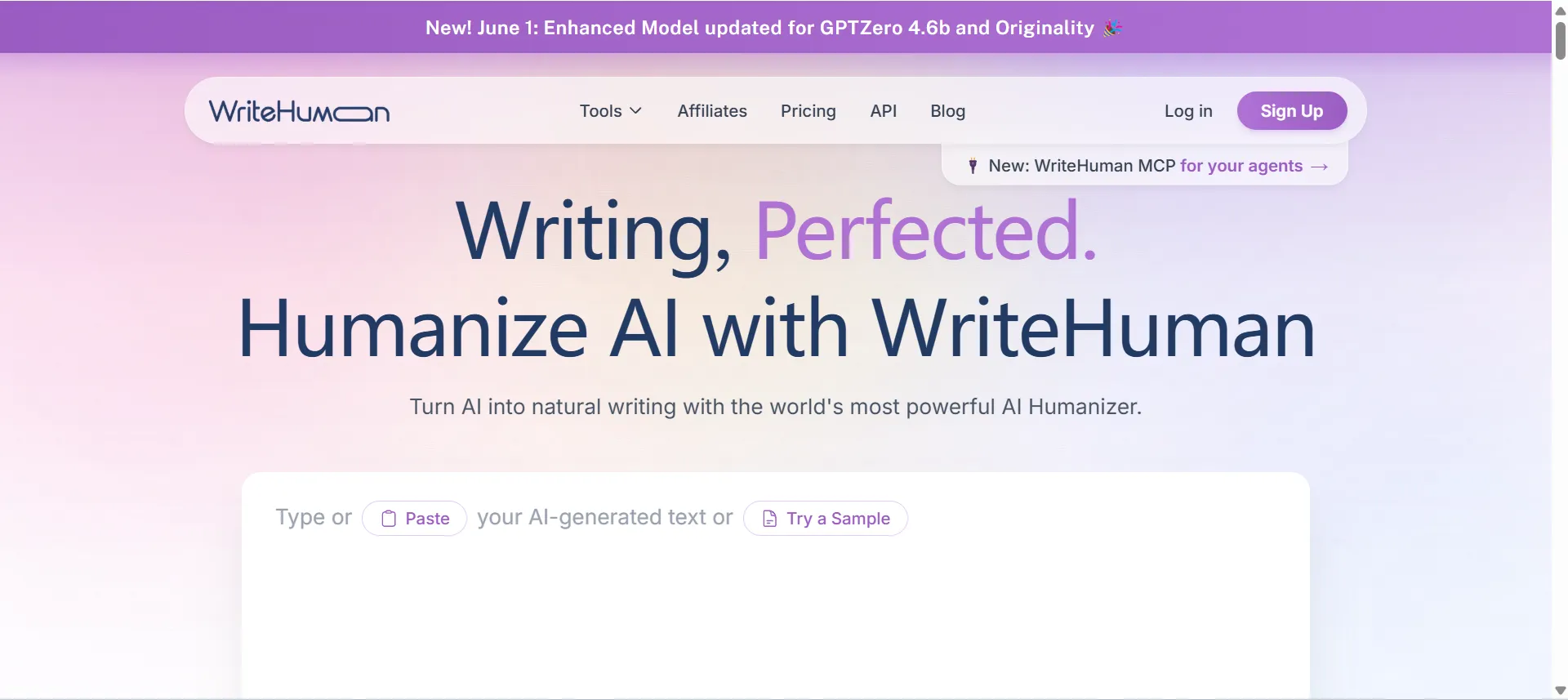
WriteHuman AI Humanizer is designed for users who want something simple without too many options.
It rewrites AI text into simpler, more readable versions without deep customization.
It performs fine for simple tasks, but lacks deeper control for advanced rewriting needs.
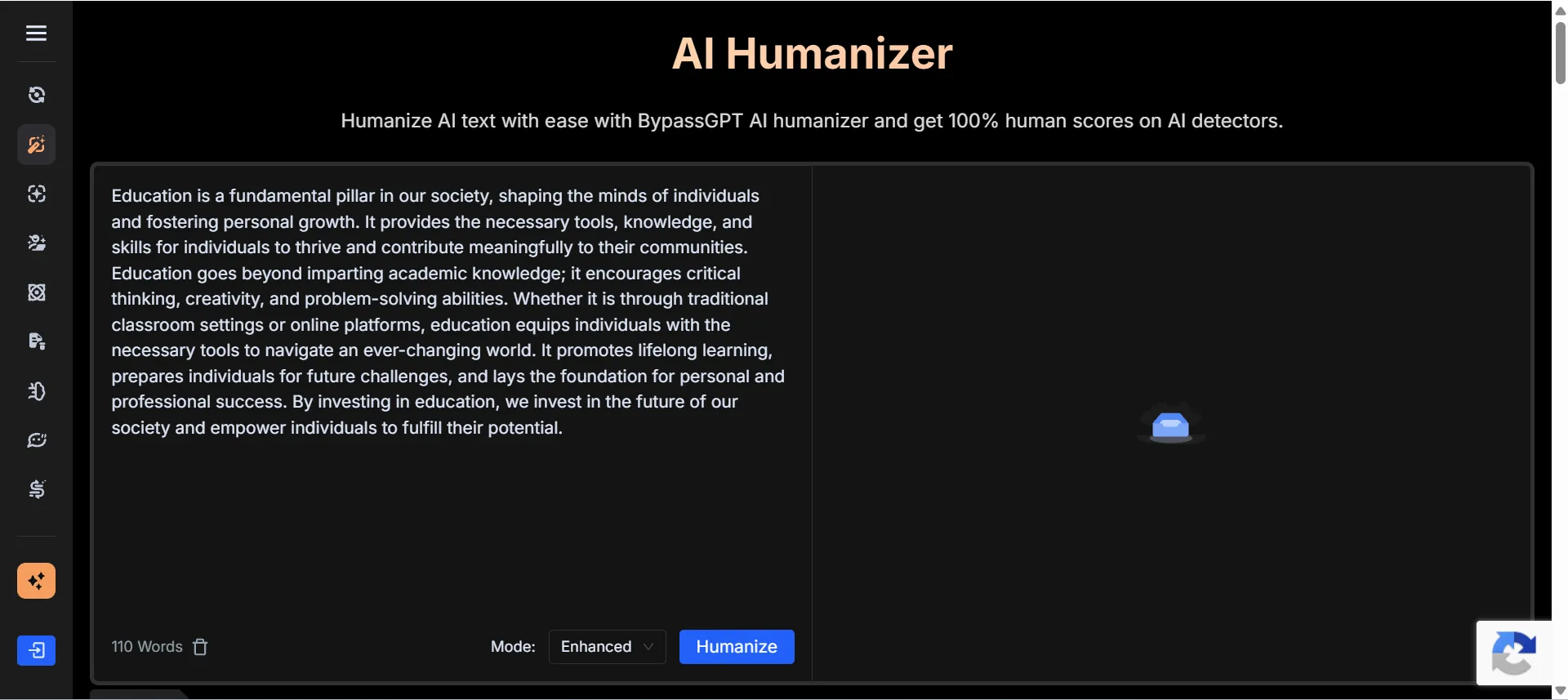
BypassGPT AI Humanizer is mainly optimized for short-form rewriting rather than long articles.
It modifies sentence patterns and structure to reduce predictability in AI-generated text.
It works reasonably well for short content, but long-form consistency is not its strongest point.
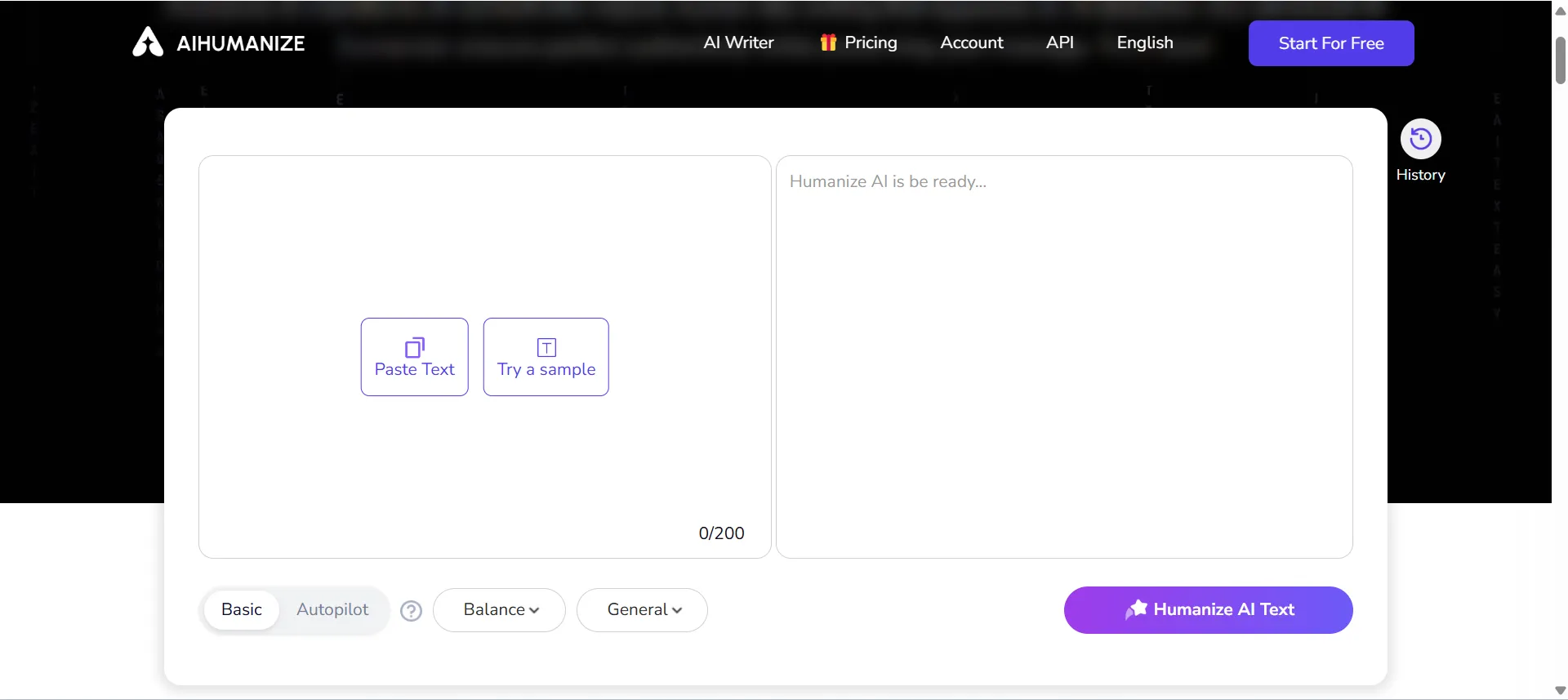
AIHumanize is a basic tool aimed at beginners who just need simple rewriting.
It applies lightweight changes to improve readability rather than deeply restructuring the text.
It’s fine for simple use cases, but not ideal for complex or long-form writing.
An ai humanizer is basically a tool that rewrites AI-generated text so it doesn’t feel so mechanical or predictable anymore.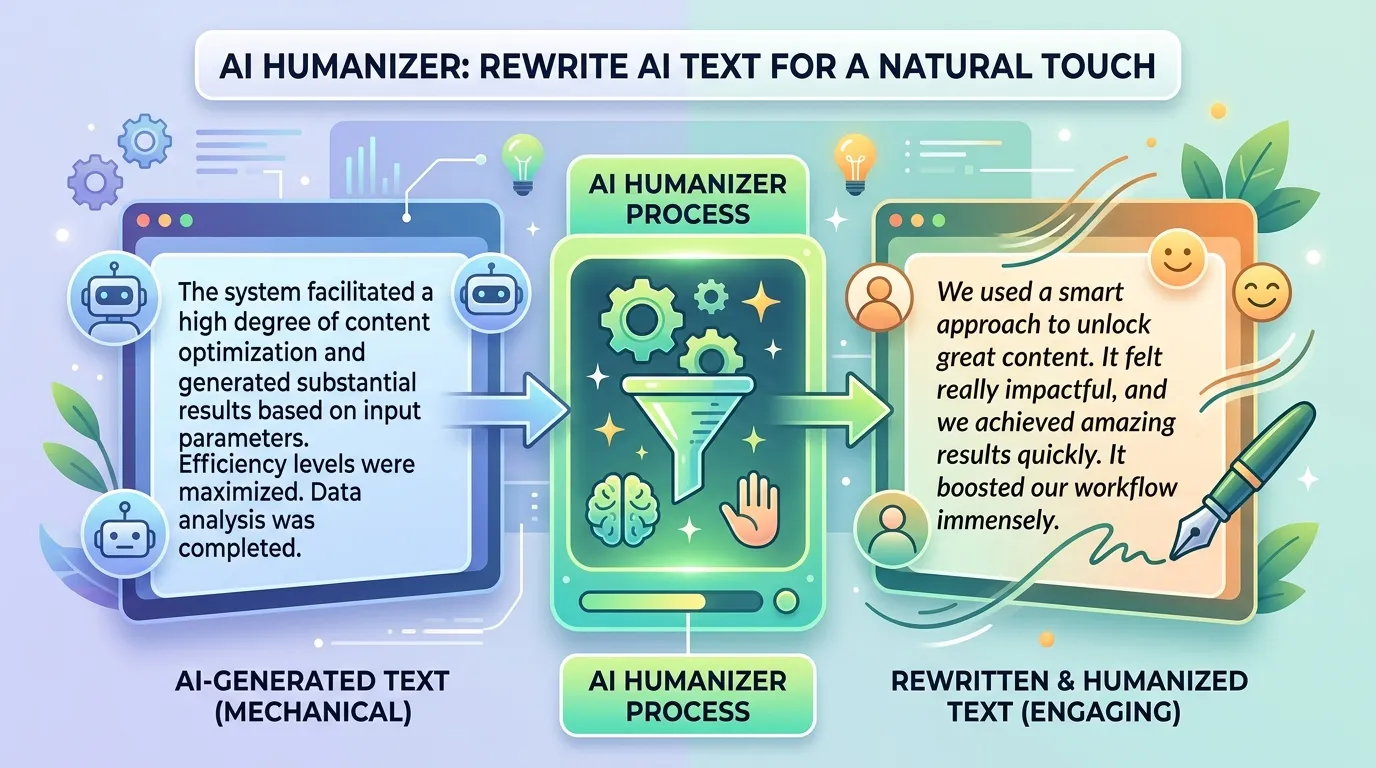
People don't really get hung up on strict definitions; they just know a text feels off. Like, all the words are fine, grammar's there, but it doesn't sound like a human wrote it. AI can do that sometimes - sentences get too smooth or built the same way.
Humanizing tools try to mess with that pattern. They'll shake up the rhythm, change up the words. It's like, remember that part in Pride and Prejudice where Elizabeth Bennett overhears Mr. Darcy? He's being all super judgey about her family, but it's not just him being a jerk. You kind of see he's saying what a lot of people felt back then about social standing.
They'd get caught up in the details of who was married to whom, and the money involved. It's less about the grand romance, more about the actual mechanics of how these people got by. It was a whole system.
Most tools don’t just swap words. The process is a bit more layered than that, even if users don’t see it.
Instead of replacing words with synonyms, many tools actually rebuild sentences. That means:
This is why two tools can produce very different outputs even with the same input.
One of the biggest “AI signals” is repetition in structure. For example:
Humanizers try to break this rhythm so the text feels less “generated”.
In theory, the meaning should stay the same. In practice, that depends on the tool.
Stronger rewriting modes sometimes change tone or slightly distort intent, especially in technical or academic writing. Lighter modes are safer, but may not reduce AI signals enough.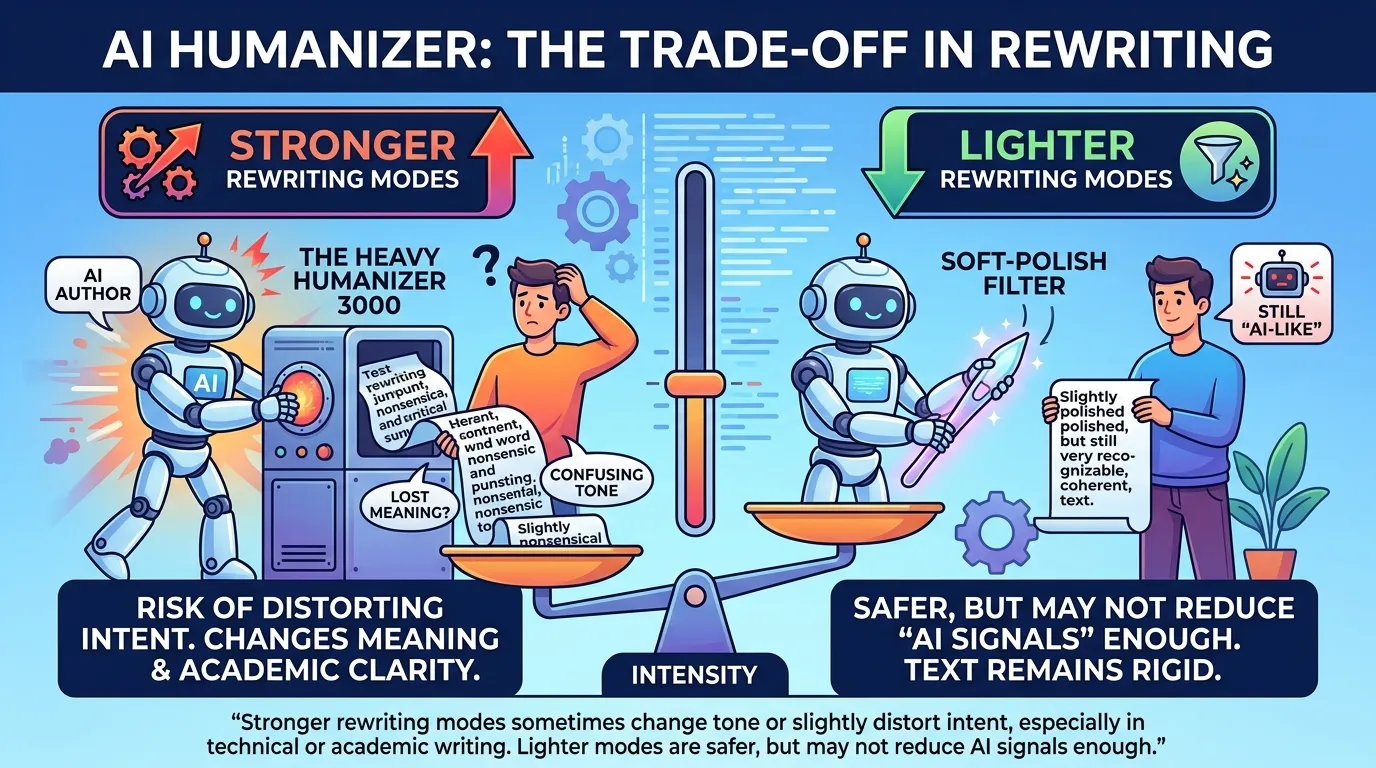
This is where most users actually struggle, because tools look similar on the surface.
Instead of asking “which one is best”, it’s usually better to ask what problem you’re trying to solve.
Some tools are clearly built for this. They tend to rewrite more aggressively, but you may need to manually fix wording afterward.
This works better for:
Other tools are more conservative. They don’t change everything, but the output usually sounds smoother and more natural.
This is often better for:
This is where tools like Dechecker stand out more in practice.
Instead of switching between rewriting tools and ai checker tools, everything is handled in one place, which reduces a lot of back-and-forth editing.
If you look at all the tools we tested, most of them focus on just one thing — rewriting text to make it sound more natural or less detectable.
Dechecker is slightly different because it combines three things in one workflow: rewriting, AI detection checking, and text preparation.
That combination is what actually improves efficiency in real use.
One of the most common problems in other ai humanizer tools is that they accidentally change important terms.
This usually includes:
In many cases, users have to manually fix these after rewriting.
Dechecker solves this with keyword freezing. You can lock specific terms before processing, which keeps them unchanged during rewriting.
This reduces one full editing step after generation.
Normally, users need to:
Rewrite → Copy → Open AI Detector → Test → Go back → Rewrite again
This back-and-forth is where most time is lost.
Dechecker removes part of this loop by showing AI detection results immediately after rewriting.
So instead of switching tools, you can evaluate output in the same place.
In practice, this reduces a noticeable amount of time when working with long articles.
AI-generated text often contains formatting issues that are easy to overlook:
These issues can affect how well rewriting tools perform.
Dechecker includes an optional cleaning step before rewriting. While simple, it improves consistency, especially for longer content.
It’s not a feature users think about often, but it helps avoid unpredictable outputs.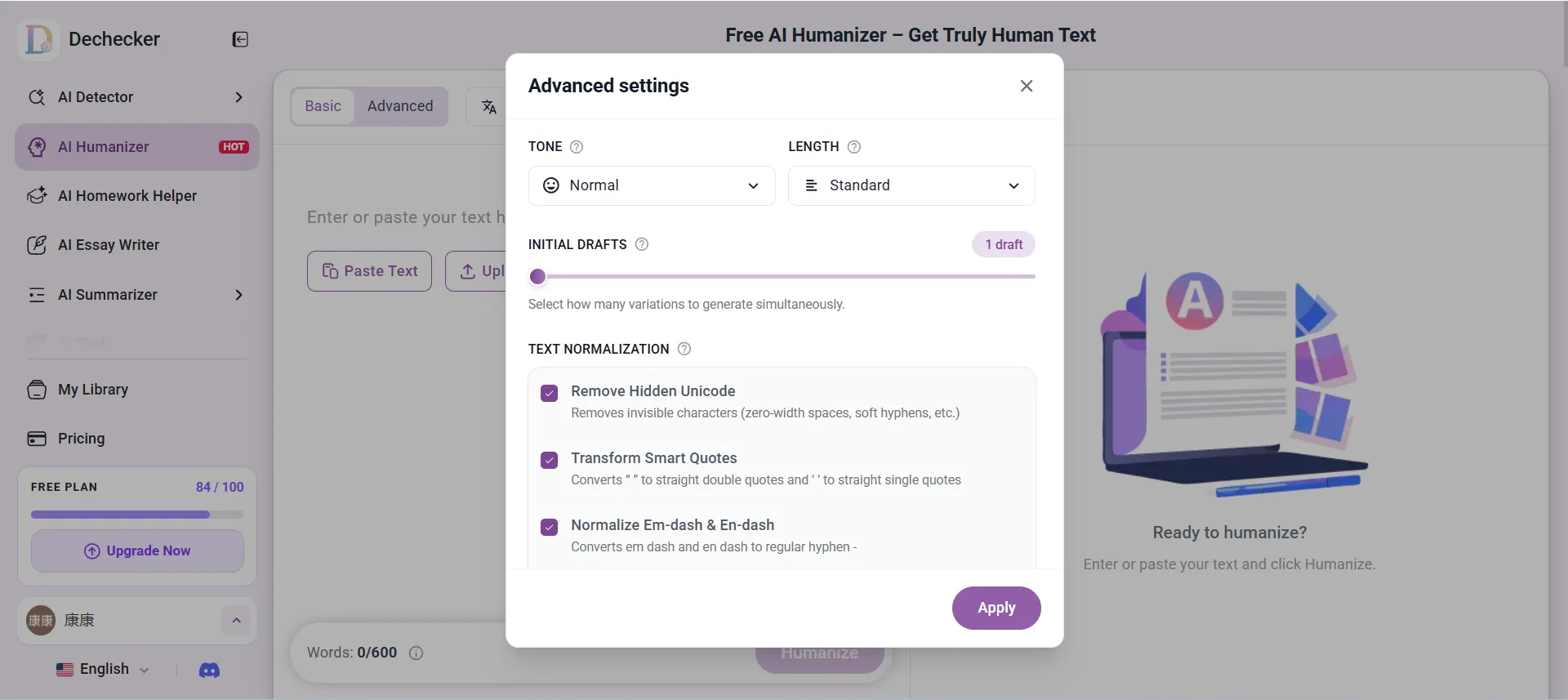
Dechecker offers more than one rewritten draft from the same input, which really matters. Testing showed these drafts had pretty different sentence structures and tones. Instead of just tweaking one version, you can pick the best one and polish it more.
Another useful part of Dechecker is the ability to switch between Basic and Advanced models.
This helps depending on the content type. For example:
The main advantage of Dechecker is not that it simply rewrites text better than every other ai humanizer.
It’s that it reduces the number of steps needed to go from:
AI draft → human-like content → AI checker result
By combining rewriting, protection of key terms, text cleanup, multiple drafts, and built-in AI detection, the workflow becomes more direct.
And in real usage, that reduction in steps is what actually improves productivity and helps handle high AI detection content more efficiently.
There isn’t a perfect one. In testing, Dechecker was the most consistent across different content types, but results still vary depending on input style.
It depends heavily on the tool and the text type. Short, simple content usually works better than long technical writing.
Tools that keep meaning stable while improving readability tend to work better for essays and assignments.
In real usage, the most reliable workflow is usually:
Generate → Humanize → Review → Check AI score → Adjust manually if needed
Sometimes yes, sometimes no. It depends more on writing style than the tool itself. That’s why focusing only on “AI score” is often misleading.